
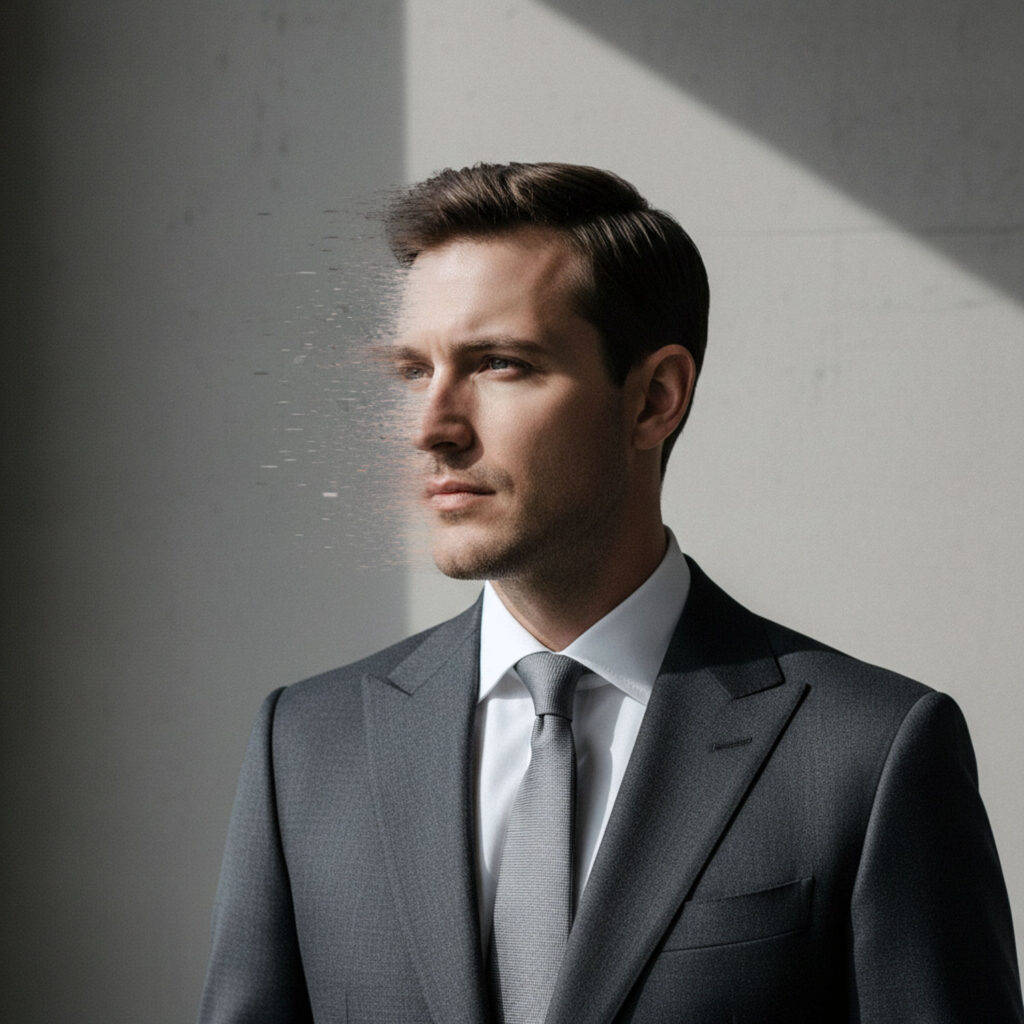
A company can grow in a hundred visible ways. It can add guests, locations, routes, systems, managers, technology, and revenue. From the outside, that growth often looks like health. Sometimes it is. Sometimes it is merely expansion. The harder question is whether the business remains recognizable to itself as it grows. That is why I believe founders have a duty that goes beyond ambition and beyond scale. They have to protect the soul of the company.
By soul, I do not mean anything mystical. I mean the underlying character of the business. I mean the standards it refuses to lower, the habits it insists on repeating, the tone it sets under pressure, and the reason people trust it in the first place. A company’s soul is the living combination of purpose, judgment, discipline, and culture that makes it distinct rather than interchangeable. Once that weakens, growth can continue for a while, but the company begins to feel thinner, less certain, and less itself.
Founders are often the first to notice that kind of drift because they remember what was structural from the beginning and what was merely decorative. They know which details were never the point and which ones carried the company’s deepest logic. Jeff Bezos made that tension unusually clear when he warned that a company can become large without surrendering what made it vital, writing that Amazon could have “the scope and capabilities of a large company and the spirit and heart of a small one,” but only if it chose that deliberately. I have always respected the candor of that line because it recognizes something many leaders prefer not to say aloud. Scale does not preserve character automatically. It tests it.
That challenge becomes sharper as success adds layers. More people join. More process arrives. More departments appear. More distance emerges between the founding instincts of the company and the daily decisions being made in its name. Efficiency starts presenting itself as wisdom. Standardization starts presenting itself as maturity. Some of that is necessary. A growing company needs real systems. But growth also creates a quiet temptation to become generic, to smooth down the edges that once made the business unusually disciplined, unusually caring, or unusually alive. The danger is not that the company becomes more organized. The danger is that it becomes organized around the wrong things.
Howard Schultz’s trip to Milan in 1983 is one of the better business examples of what it looks like when a founder or founder-like leader protects the deeper logic of a company. Starbucks’ own history says Schultz did not merely come back inspired by coffee as a product. He came back inspired by the “warmth and artistry” of Italian coffeehouses. That matters because it shows that what he was protecting was not a commodity. It was an experience, a feeling, a standard of human encounter. The companies that remain meaningful are usually the ones whose leaders understand the difference between what they sell and what they are really here to preserve.
At Sudsies, protecting the soul of the company means preserving a service culture in which care is visible, hospitality is sincere, standards are exacting, and guests feel that their garments and preferences are being handled by people who understand the responsibility. That cannot live in marketing language alone. It has to be present in inspection, communication, follow-through, finishing, training, and tone. If growth ever weakened that character, the company might still be busy, but it would be less itself. And in service businesses, being less yourself is usually the beginning of becoming less trusted.
One of the easiest mistakes founders make is assuming that systems by themselves can preserve soul. Systems are essential. They carry standards, reduce variance, and create accountability. But systems are not self-interpreting. They reflect the values of the people who design them and the leaders who enforce them. Jamie Dimon has written that building a “lasting, deeply rooted and common culture” is critical and takes “an extraordinary amount of effort.” That is exactly right. Culture is not what remains after the operating model is complete. Culture is part of the operating model. Founders protect a company’s soul not just by codifying standards, but by teaching what those standards mean, what trade-offs are unacceptable, and how the business is supposed to behave when the easy answer is the wrong one.
Another mistake is to confuse aesthetics with soul. Visual identity matters. Language matters. Brand discipline matters. But the soul of a company is not tested in a style guide. It is tested operationally. How does the company behave when demand spikes? What does it tolerate when nobody is watching? What gets excused because the team is tired or the numbers are strong? What gets protected even when it is inconvenient? Those are the moments when the business reveals what it actually worships. Many companies look polished from the outside and hollow from the inside because they invested in appearance more heavily than in character.
Herb Kelleher left a useful clue here. Southwest’s own retrospective on his legacy describes how his sayings and instincts continued to echo through the halls of the company long after the early years. That is not accidental. Founders who protect the soul of a business do not merely give speeches about values. They create a repeatable moral vocabulary inside the organization. People begin to know, almost instinctively, what fits and what does not. They know how the company is supposed to feel when it is healthy. They know when something is off before a dashboard ever catches it. That kind of internal recognition is one of the most valuable assets a business can have because it helps people defend the company’s character before erosion becomes visible to the market.
Entrepreneurs should take this seriously because markets are full of examples of companies that scaled while losing the very qualities that made them trusted in the first place. Customers may not use the language of soul, but they feel the difference. Teams feel it too. Pride changes. Energy changes. The work starts feeling more transactional and less meaningful. In time, the business may still produce volume, but it stops producing the same conviction. When that happens, growth begins to feel less like progress and more like accumulation.
Protecting the soul of the company also means preparing others to recognize it and defend it. A founder cannot remain the sole interpreter forever. If the company’s character lives only in one person’s instincts, then it remains fragile no matter how large it becomes. The stronger model is succession of judgment. Leaders at multiple levels should be able to articulate what makes the business distinct at its core, which standards are non-negotiable, and what kinds of compromises would damage the company even if they looked efficient in the short run. That is how soul becomes durable rather than personal.
I think this is one of the most important forms of leadership a founder can provide. Not merely driving growth, but preserving the integrity of growth. Not merely adding scale, but defending meaning. Not merely modernizing the company, but ensuring that modernization does not bleach out its character. The best founders understand that expansion is not the same thing as progress unless the company remains true to the reasons it deserved to grow in the first place.
Founders must protect the soul of the company because once that soul is weakened, success becomes harder to trust. The numbers may still look impressive. The organization may still appear more sophisticated than ever. But something essential has gone missing. The healthier challenge is the harder one: to build a company that becomes larger without becoming generic, more efficient without becoming cold, and more modern without becoming unrecognizable. That is the kind of growth worth wanting. That is the kind of company worth building.
“`