
Convenience matters. I would never argue otherwise. Modern guests are busy, schedules are compressed, and friction is costly. At Sudsies, convenience is part of the value we provide. Pickup and delivery, clear communication, well-designed processes, and responsive service all help make life easier. That is important. But convenience alone is never enough.
Convenience can get a business considered. It can even get a business tried. What it does not guarantee is trust, preference, or loyalty. Those require something more substantial. McKinsey & Company’s work on luxury hospitality makes the point clearly: in premium service, what ultimately differentiates the strongest brands is not the product alone, but “an experience worth paying more for.” In other words, ease may open the door, but it is not what makes the relationship durable.
This is one reason I think some businesses overinvest in friction removal while underinvesting in service character. They assume that because they have made a process faster, they have made it better. Sometimes they have. Often they have simply made it more efficient while leaving the emotional and quality dimensions underdeveloped. Aman’s entire philosophy pushes in the opposite direction. It presents its experience not as speed for its own sake, but as peace, privacy, discretion, and simplicity carried through with precision. That is a useful reminder that the highest forms of luxury are often not the fastest ones. They are the ones that make the guest feel most secure.
At Sudsies, convenience must support care, not replace it. A guest wants ease, but they also want confidence. They want to know their garments are being handled by people who understand fabric, finishing, presentation, and timing. They want to feel that ease did not come at the expense of attentiveness. Ritz-Carlton Reserve is helpful here because its own language is built around “heartfelt care and craftsmanship.” That pairing matters. The point is not merely to make the stay effortless. It is to make it feel human, exacting, and worthy of trust.
The strongest businesses understand that convenience is only one layer of value. Beneath it must sit competence, hospitality, consistency, and trustworthiness. Otherwise the service becomes shallow. It may feel simple to use, but it does not feel meaningful enough to stay with. Mandarin Oriental’s strategy language is useful on this point. The brand describes itself as “guest-centric” and speaks about preserving “high-touch luxury” while growing. That phrase matters because it acknowledges that friction removal alone does not define premium service. What matters is whether the guest still feels the human side of the experience.
Convenience also becomes less differentiating over time. Competitors can copy features, add delivery windows, streamline digital interfaces, or reduce steps in a workflow. What is harder to copy is the full experience of being well served. That comes from culture, not only from process design. Rosewood Residences does not market itself merely as efficient or seamless. It emphasizes intimate and meaningful homes supported by a dedicated team that delights in surpassing expectations. That is a useful contrast. The lasting value is not that the experience is easy to access. It is that the service feels thoughtful once you are inside it.
Another issue is that convenience without communication can still create anxiety. Guests do not only want fewer steps. They want clarity about what is happening, what to expect, and what to do if they need help. A convenient process that leaves people guessing does not feel truly convenient. Four Seasons has long built its service culture around the Golden Rule and around the idea that guest satisfaction depends on the coordinated efforts of many people. That matters because convenience, when it is real, includes emotional clarity. The guest should not have to decipher the system in order to feel taken care of.
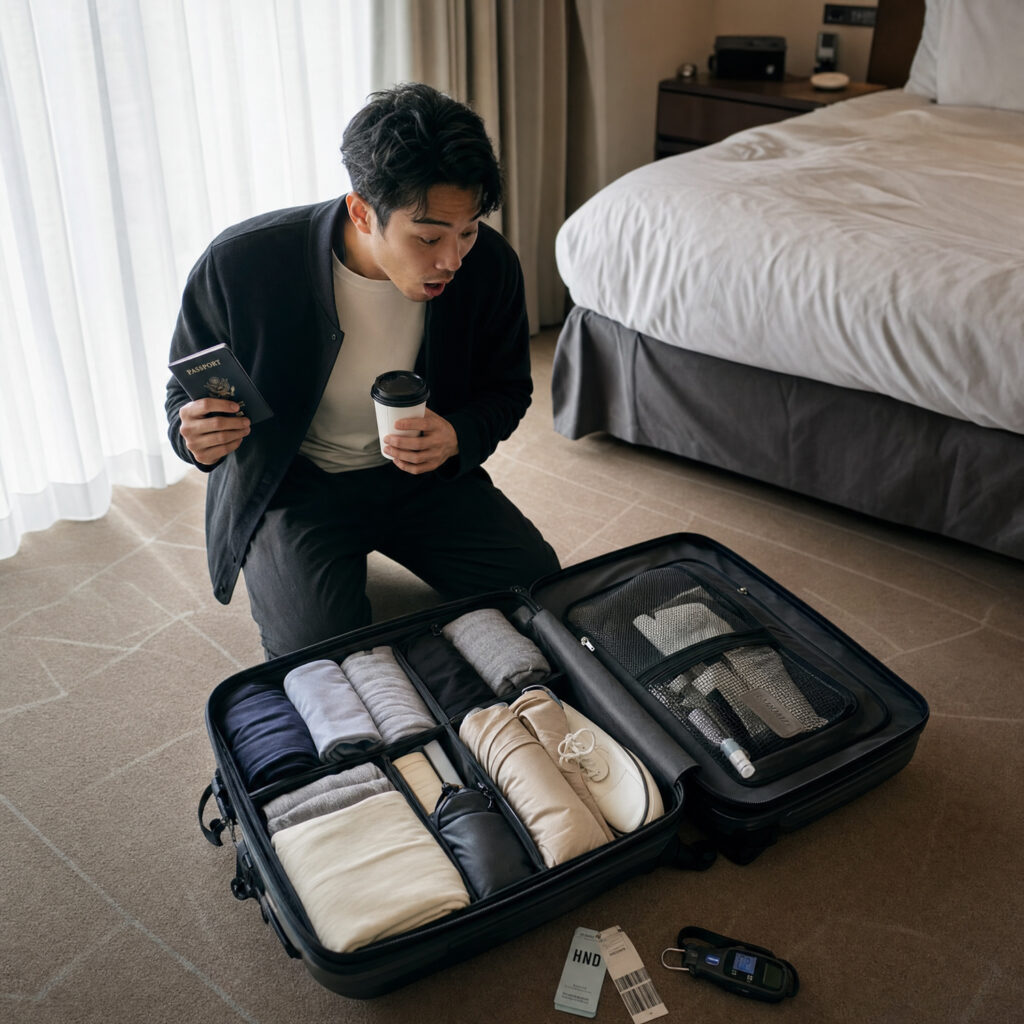
At Sudsies, I want convenience to feel gracious. I want it to communicate that we respect the guest’s schedule and have done the work to simplify things intelligently. But I also want the guest to feel the human side of the experience. Convenience should make service easier to access, not more anonymous. That is one reason I continue to think about Hotel Seiyo Ginza. Jerry Delince, Sudsies’ CMO, stayed there multiple times and still remembers that the hotel did not rely on lobby theatrics or grand gestures. The reception area consisted of a few private desks with seating for two, making arrival feel discreet and almost residential. The butler service stood out not because it was loud, but because it was deeply useful: the day before departure, the butler would pack and balance the weight of his suitcases without supervision. That is a perfect example of why convenience alone is not enough. What mattered was not merely that the process became easier. What mattered was that the ease came wrapped in trust, privacy, and competence.
Entrepreneurs should think carefully about this distinction because it affects where they invest. It is wise to remove friction. It is not wise to reduce the business to friction removal alone. Customers still care about quality. They still care about responsiveness. They still care about whether the company feels thoughtful and dependable when circumstances become more nuanced. McKinsey made a closely related point in its luxury retail analysis when it argued that luxury is increasingly about emotions, not transactions. That principle applies just as much to service.
I often think of convenience as a door, not the destination. It opens the relationship more easily, but something richer has to wait on the other side. If all a business offers is convenience, then it becomes vulnerable the moment someone else offers slightly more speed, slightly less cost, or slightly slicker technology. If what sits behind the convenience is hospitality, standards, memory, and trust, then the relationship becomes harder to replace. That is why elite hospitality brands continue to invest so heavily in service culture rather than relying on frictionless design alone.
Convenience is valuable, and Sudsies should keep pursuing it intelligently. But it becomes truly powerful only when paired with care, standards, and hospitality. That combination creates a service that not only saves time, but earns trust. And trust is what keeps people coming back.
Selected references and further reading
McKinsey & Company, How the world’s best hotels deliver exceptional customer experience
https://www.mckinsey.com/industries/travel/our-insights/how-the-worlds-best-hotels-deliver-exceptional-customer-experience
McKinsey & Company, Luxury retail is about emotions, not transactions
https://www.mckinsey.com/industries/retail/our-insights/luxury-retail-is-about-emotions-not-transactions
Aman, About Us
https://www.aman.com/about-us
Aman, Privacy and peace
https://www.aman.com/exclusive-stays-private-travel-indonesia
Ritz-Carlton Reserve
https://www.ritzcarlton.com/en/hotels-and-resorts/ritz-carlton-reserve/
The World of Ritz-Carlton Reserve
https://www.ritzcarlton.com/en/journey/inspiration/the-world-of-ritz-carlton/
Rosewood Residences
https://www.rosewoodhotels.com/en/residences
Mandarin Oriental, Our Company
https://www.mandarinoriental.com/en/our-company
Mandarin Oriental, Our Vision
https://www.mandarinoriental.com/en/our-company/our-vision
Mandarin Oriental press release, Mandarin Oriental to Elevate its Luxury Proposition with an Accelerated Ten-year Growth Strategy
https://press.mandarinoriental.com/group-strategy
Four Seasons, Mission Statement | Service Culture
https://www.fourseasons.com/about_four_seasons/service_culture/
Japan Traveler Online, Hotel Seiyo Ginza
https://www.japantraveleronline.com/sp/hotel-detail/2610067/
Newsweek, Return of the Hotel Butler
https://www.newsweek.com/return-hotel-butler-118459