
Some aspects of service draw immediate attention. Others work more quietly. Remembering preferences is one of the quietest and most powerful forms of service a business can offer. Four Seasons has long framed luxury as the quality of service rather than surface appearance, and McKinsey’s work on the world’s best hotels argues that exceptional customer experience is created by culture, leadership, and repeated behaviors that make guests feel intentionally cared for.
At first glance, remembering preferences may seem like a small operational courtesy. At Sudsies, I see it as something much more significant. It signals attentiveness. It tells the guest that the relationship has continuity. It reduces friction and increases confidence at the same time. Most importantly, it makes service feel personal without becoming performative. Mandarin Oriental’s 2025 relaunch of its guest recognition program explicitly centered “member recognition,” personalized in-stay requests, and localized delivery, which is a strong indication that elite hospitality brands treat remembered preference as a core part of value, not a decorative extra.
Guests notice when they have to repeat themselves constantly. They notice when a company forgets prior instructions, misses patterns, or treats each interaction as if no history exists. That forgetfulness can make even a technically adequate business feel indifferent. By contrast, remembered preferences communicate care. They say: we were paying attention last time, and we are still paying attention now. Four Seasons’ Minneapolis guest experience team describes the stay as beginning before arrival, with questions that help the team understand the specifics of each guest’s needs in advance. That is preference memory functioning as hospitality rather than as administration.
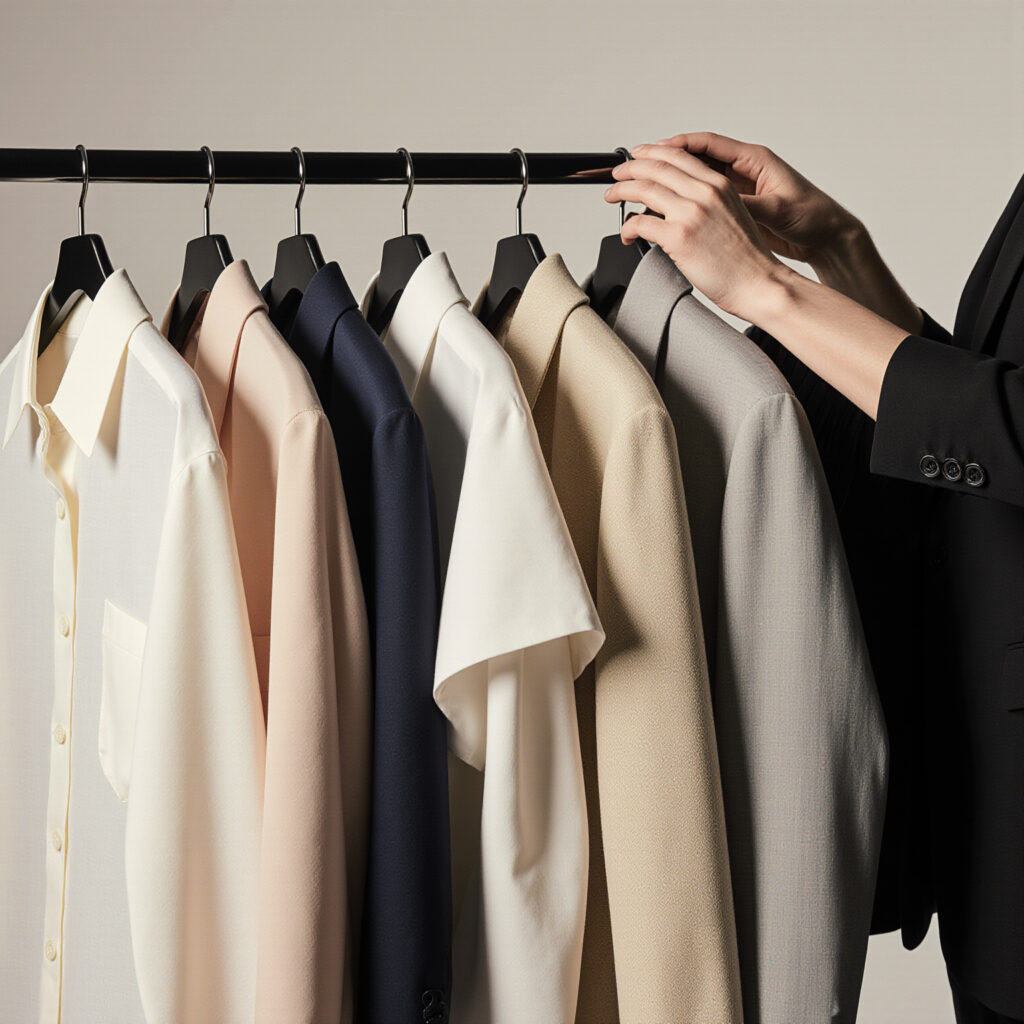
In a company like Sudsies, preference memory can take many forms. It may involve hanger requests, packaging expectations, finishing preferences, route timing, communication channels, care sensitivities, or broader household patterns. None of these details are minor to the person living with them. They affect convenience, satisfaction, and trust. Aman’s pre-arrival language is useful here because it explicitly invites guests to complete a preference form and says that no detail is too small, while its privacy materials confirm that the brand tracks room, amenity, and service likes and dislikes to improve the stay.
The hidden power here is that remembered preferences often create ease before the guest has to ask for it. That anticipation feels sophisticated. It reduces labor for the guest and increases confidence in the company. Good service responds well. Great service often remembers well. Raffles’ preference forms and butler follow-up make that principle visible. The guest is invited to share arrangements and requests before arrival, and a Raffles Butler follows up to confirm details. That is not just preparation. It is a way of telling the guest that the next interaction will begin with context rather than with amnesia.
There is also an emotional dimension to this. Preference memory makes people feel seen. In a world full of generic interactions, that feeling stands out. Guests may not always articulate it explicitly, but they feel the difference between being processed and being known. Hospitality industry reporting in late 2025 made the point directly: guests prefer direct relationships with hotels when the experience feels personal, and one of the clearest ways to produce that feeling is by remembering preferences and recognizing repeat behavior.
Of course, remembering preferences is not only about memory in the personal sense. It requires systems, note discipline, communication, and leadership emphasis. If preference capture and preference use are treated casually, the experience becomes uneven. But when an organization takes preference management seriously, the effect can be extraordinary. Mandarin Oriental’s FAQ for Fans of M.O. says the company keeps track of stays, spend, and preferences, while its privacy policy specifically refers to service, accommodation, amenity, beverage, and housekeeping preferences. That kind of infrastructure is what allows personal service to become repeatable rather than accidental.
Entrepreneurs should pay attention to this because remembered preferences create competitive insulation. Many companies can offer a competent baseline service. Fewer can create the feeling that the company has learned the customer over time. That learned relationship becomes hard to replace because switching providers would mean giving up the accumulated familiarity. Aman’s contact and pre-arrival systems, Four Seasons’ guest-experience teams, Mandarin Oriental’s recognition platform, and Raffles’ butler-led follow-up all point toward the same conclusion: remembered context is part of why premium loyalty deepens.
At Sudsies, I want preference memory to function as a form of quiet hospitality. It should not feel theatrical. It should feel natural, precise, and reassuring. The guest should sense that Sudsies has been listening carefully and organizing the service around what works best for them. Preference memory also improves recovery when something goes wrong. If we know the guest well, we can respond in a more tailored, effective way. We understand what matters most. We communicate with more relevance. We preserve trust more effectively because the relationship already has substance. That is the same logic elite hospitality brands rely on when they use guest history to shape not only arrival, but recovery and service continuity.
For entrepreneurs in any service category, this is worth remembering. The strongest service often does not impress through dramatic gestures. It earns loyalty through repeated evidence of attention. Remembering preferences is one of the clearest forms of that evidence. Its power may be hidden, but its effect is not. It turns good service into relational service, and relational service is often what guests remember most.
Selected references and further reading
Four Seasons Hotel Minneapolis, Service with Heart: For the Guest Experience Team, Genuine Care Means Personalization, Customization and Attention to Every Detail
https://press.fourseasons.com/minneapolis/trending-now/guest-experience-team/
Four Seasons Hotel Minneapolis, The Guest Experience Team Customizes, Curates and Cares
https://press.fourseasons.com/minneapolis/trending-now/special-experiences/
Four Seasons, The Heart of Four Seasons
https://www.fourseasons.com/magazine/discover/the-heart-of-four-seasons/
Mandarin Oriental, Mandarin Oriental Launches Transformed Guest Recognition Programme
https://press.mandarinoriental.com/?p=13226
Mandarin Oriental, Fans of M.O. FAQ
https://www.mandarinoriental.com/en/fans-of-mo/faq
Mandarin Oriental, Privacy Policy
https://www.mandarinoriental.com/en/privacy-policy
Aman, Plan Your Stay
https://www.aman.com/resorts/amangiri/plan-your-stay
Aman, Privacy Notice
https://www.aman.com/privacy-notice
Aman, Marketing Personalisation Privacy Notice
https://www.aman.com/marketing-personalisation-privacy-notice
Raffles Boston, Preference Form
https://www.raffles.com/content/experience-fragments/raffles-aem/en/site/preference_forms/preference-form2.html
Raffles Boston, Events / Preference Contact
https://www.raffles.com/boston/events/
Hospitality Today, Guests prefer direct when hotels make it personal
https://www.hospitality.today/article/guests-prefer-direct-when-hotels-make-it-personal
McKinsey & Company, How the world’s best hotels deliver exceptional customer experience
https://www.mckinsey.com/industries/travel/our-insights/how-the-worlds-best-hotels-deliver-exceptional-customer-experience