
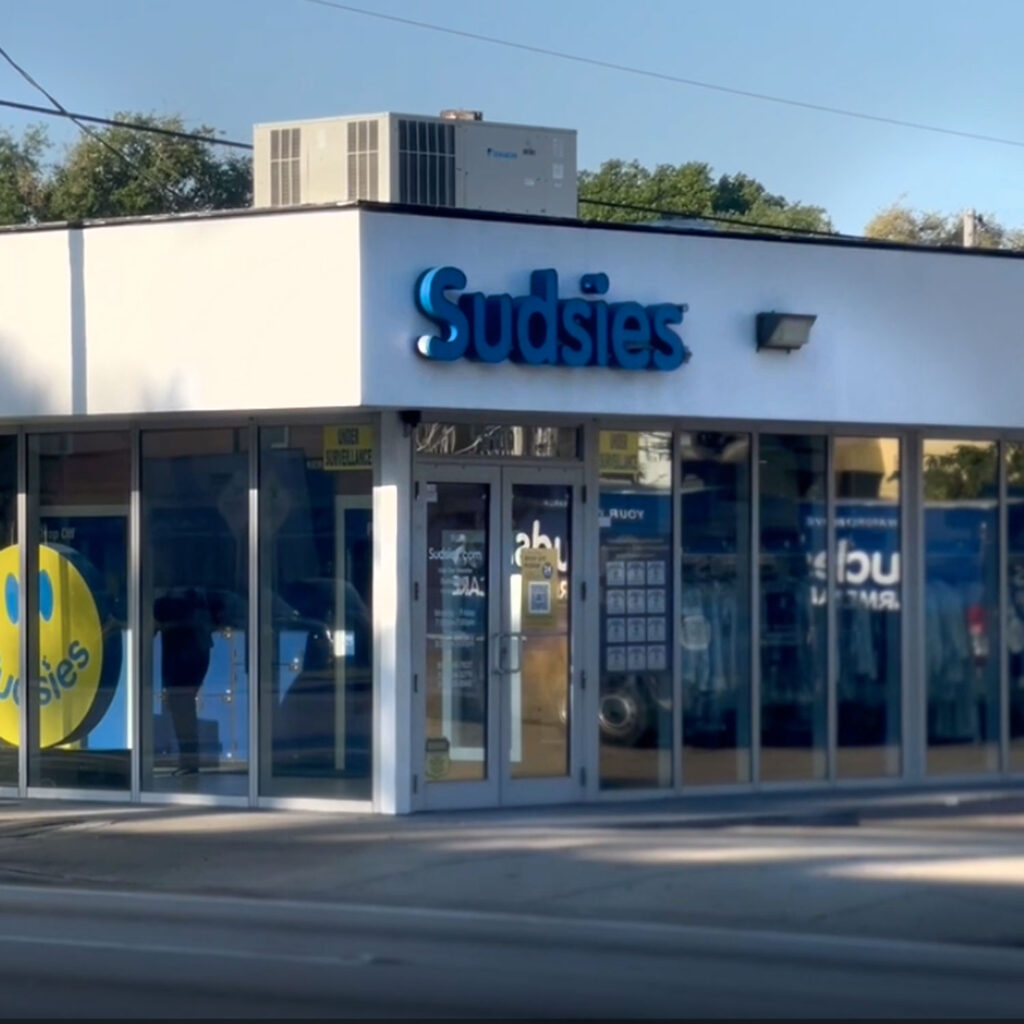
When people discuss choosing a business location, the conversation often centers on real estate criteria, such as visibility, traffic, lease terms, and surrounding development. Those elements are important, but they only represent the most visible layer of the decision. The deeper and more consequential question for a business leader is not simply where the company will operate, but whether the people, culture, pace, and lifestyle of that area are truly understood, and whether the organization is prepared to build a service model that aligns with the realities of that environment.
A business does not succeed just because it exists in a desirable or well-known zip code. It succeeds because it develops an informed understanding of the community it serves, recognizes the nuances of how people live there, and adapts its operations, service culture, and expectations accordingly. That lesson becomes particularly clear in a city like Miami, where the meaning of “location” goes far beyond physical coordinates.
Every Neighborhood Behaves Like Its Own Market
Miami is not a single unified marketplace. It is a collection of distinct environments that exist within the same geography but operate according to very different rhythms, social dynamics, and behavioral patterns. Leaders who view Miami as a singular consumer base often overlook how dramatically expectations change from one area to another.
In Brickell, for example, the rhythms of life are shaped by finance, hospitality, international business, and corporate environments. The people who live and work there move between boardrooms, private dining spaces, networking functions, and evening engagements, often within the span of a single day. Their wardrobes and schedules reflect a lifestyle that blends professionalism and social visibility, and their service expectations emphasize reliability, precision, and readiness rather than formality for its own sake.
Bal Harbor represents an entirely different kind of market. Here, couture garments, investment fashion pieces, and high-end social wardrobes are part of daily life. Clients are often preparing for philanthropic functions, formal events, private receptions, and society gatherings where craftsmanship, preservation, and garment longevity matter as much as appearance. Understanding this environment means understanding fabric nuance, construction detail, and the emotional and financial value people place on the clothing they entrust to you.
Shift the lens toward Wynwood and the creative districts, and the priorities change again. This community is influenced by artists, designers, gallerists, and creative professionals whose wardrobes are expressive, experimental, and sometimes structurally unconventional. These garments are frequently worn in settings where personal style is tied to identity, and where the clothing itself may be delicate, architecturally unique, or not easily replaced. Sensitivity, caution, and respect for design intent become essential parts of the service philosophy.
Meanwhile, areas such as Coral Gables and Coconut Grove reflect a more residential and community-anchored lifestyle, shaped by families, academics, civic leaders, and long-established residents. Here, trust, continuity, and long-term relationships hold as much value as technical expertise. Clients are often less transactional and more relationship-driven, which means consistency, history, and personal connection become meaningful components of service success.
Each of these neighborhoods exists within the same metropolitan area, but none of them behave the same way. A business that treats them identically is not truly rooted in the city. It is simply operating inside of it.
Leadership Means Designing Operations Around Environment, Not Preference
A leader who chooses a location solely because it appears attractive on a spreadsheet is making a placement decision. A leader who studies how people live in that environment and then designs operations to support those behaviors is making a strategic decision.
Understanding location influences far more than where a building sits. It shapes how a business schedules work, how it communicates with clients, how it structures pricing and turnaround expectations, how much privacy or visibility customers are comfortable with, and how deeply the organization must invest in technical skill to meet the demands of the garments and lifestyles it encounters.
In Miami, for instance, professional athletes and public-facing figures may depend on garment readiness that aligns with travel, media appearances, or post-event schedules. Clients in Bal Harbour may prioritize preservation of delicate couture garments over speed of turnaround. Brickell professionals may expect impeccable, consistent finishing so that garments hold shape and structure under long days and varied environments. Members of the arts community may value thoughtful handling, conversation, and respect for the creative intention built into the clothing they wear.
If a business approaches all of these clients with the same assumptions, the same tone, and the same operational structure, it is not adapting to its environment. It is asking the environment to adapt to it.
The Cost of Misreading a Market
Most businesses do not struggle because the core service is flawed. They struggle because the surrounding environment was misunderstood or underestimated. A service model that performs effectively in a quiet residential community may fall short in a fast-paced financial district, while a high-volume efficiency model may not succeed in a market where clients value personalization, discretion, or craftsmanship.
Markets rarely adjust themselves to accommodate businesses. It is the responsibility of the business to observe, interpret, and adjust to the market. That requires curiosity, patience, and the willingness to learn before assuming.
The Competitive Advantage of Local Awareness
The greatest competitive advantage a business can develop in a city like Miami is not price positioning or physical exposure. It is alignment. When a company understands where its clients spend their time, what types of events they attend, how they use their clothing, what standards they expect from service professionals, and how lifestyle rhythms influence their decisions, then every operational choice becomes more intentional.
Hiring decisions begin to reflect the type of communication style and discretion the market demands. Training programs evolve to include not just technical instruction, but cultural and context awareness. Quality standards become shaped by how garments are actually worn and experienced, rather than by abstract benchmarks.
When we evaluate potential locations, we do not begin with a map or a property brochure. We begin with observation. We spend time in the neighborhood, paying attention to how people live, where they go, what kinds of garments they wear, and what environments those garments are exposed to. We notice whether residents are moving between business meetings and evening engagements, whether the area is rooted in family and community life, whether it is shaped by arts and culture, or whether it leans toward couture, philanthropy, and social events. Only after we understand who the neighborhood is for and how clothing functions within that lifestyle do we consider whether our presence there would be appropriate and useful.
That same philosophy shapes how we train our staff. Technical skill is essential, but we do not train only for fabric handling and finishing standards. We also train for awareness, listening, and context. A team member working with a client in Brickell may be preparing garments for back-to-back meetings and corporate obligations, while someone assisting a Bal Harbour client may be entrusted with couture pieces worn to museum galas or formal receptions. In Wynwood, garments may carry artistic intention or unconventional structure, while in Coral Gables the emphasis may be on long-term trust, family relationships, and continuity of care. Our staff is taught to recognize these differences and to treat every garment not just as a textile, but as an object that exists within a particular life.
We also invest time in getting to know our clients in a way that goes beyond transaction. That does not mean intruding or asking personal questions. It means paying attention, learning patterns, understanding schedules, and being aware of when a garment is tied to a meaningful event, a public appearance, or a personal milestone. Over time, relationships form, expectations become clearer, and service becomes more intuitive. The goal is not to standardize the experience across locations, but to ensure that each location reflects the people who live around it and the way they move through their world.
That is ultimately how we think about growth. We do not expand simply to add more buildings. We expand when we believe we can genuinely serve the character of a community, respect its rhythms, and add value to the lives of the people who live there.
Clients recognize when a business understands them. They also recognize when it does not.
The most successful organizations are not merely placed in the right city or the right neighborhood. They are built for the environments they inhabit, and they evolve alongside the communities that trust them.